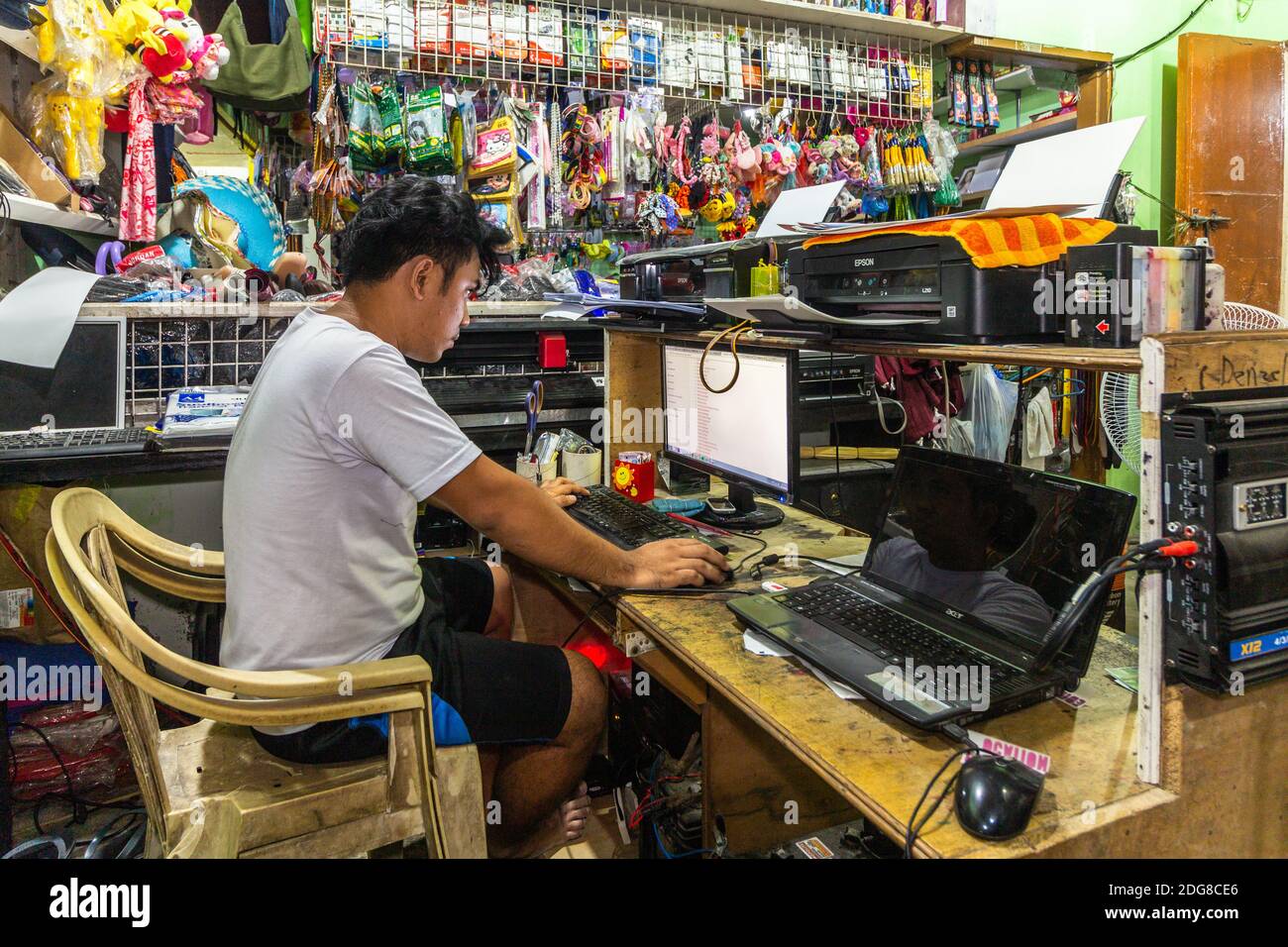
There's something extraordinary about the Filipino builder. The entrepreneur who starts a food business from a home kitchen. The freelancer who turns a laptop and a Wi-Fi connection into a six-figure income stream. The teacher who runs a small online shop after class hours. The call center team lead who quietly builds a side venture that will one day become the main thing.
The Philippines consistently ranks among the highest in Southeast Asia for entrepreneurial activity. According to the Global Entrepreneurship Monitor, nearly 1 in 5 Filipino adults is involved in early-stage entrepreneurial activity. That's not just a statistic. That's a cultural identity. We are, by nature, builders.
But here's the pattern I see repeatedly, and it's one that keeps me up at night: the same people who pour extraordinary energy into building their businesses and careers often leave the most critical part of their financial architecture completely unaddressed.
The hustle is world-class. The protection behind it hasn't caught up.
Three Scenarios That Change Everything
Let me walk you through three situations I've encountered — names changed, but the circumstances are real.
Scenario 1: The Sari-Sari Store Owner Who Got Sick
A 35-year-old mother running a neighborhood store and a small catering business on the side. Combined monthly income: around ₱45,000. Revenue was steady, growing every quarter. Then came a breast cancer diagnosis. Treatment required months away from both businesses. Without her daily presence, the store slowed. The catering business stopped entirely. Medical bills reached ₱1.8 million. The family used all their savings, borrowed from relatives, and eventually sold the catering equipment to cover treatment.
There was no dedicated protection layer. No wealth architecture separating the business from the family's financial security.
Scenario 2: No Succession, No Blueprint
A husband-and-wife team running a small retail business with two branches. The husband managed operations; the wife handled finance. When the husband passed unexpectedly, there was no succession blueprint. No documentation of supplier relationships, no operational playbook, no clear instructions for the staff. Within six months, the second branch closed. The surviving spouse was left managing a single struggling location while processing grief.
The business had revenue. What it lacked was a system designed to survive the absence of its founder.
Scenario 3: The Single Income Stream
A call center supervisor earning ₱45,000 monthly — supporting parents, a spouse, and two children. No business, but an entire family ecosystem dependent on one paycheck. When a serious accident required three months of recovery, the household burned through its emergency fund in four weeks. Tuition payments were missed. The family borrowed against future income to stay afloat.
One income stream. Zero structural protection. A single disruption turned financial stability into financial stress overnight.
These aren't worst-case fantasies. These are patterns that repeat across income levels, industries, and family structures. The common thread isn't a lack of ambition or discipline. It's the absence of a protection layer engineered to absorb exactly these kinds of disruptions.
"Filipino excellence deserves Filipino-grade protection."
What It Looks Like When a Builder Is Protected
Now picture the alternative. A business owner with the same diagnosis — but this time, a dedicated critical illness benefit pays out ₱2 million within 30 days. Medical bills are covered without touching the business or the family's savings. The founder recovers. The business survives. The family's wealth architecture holds.
Or the entrepreneur couple — but this time, there's a wealth blueprint in place. Life coverage ensures the surviving spouse receives an immediate payout equivalent to five years of household expenses. The business has a documented plan. The team knows what to do. The family's financial foundation remains intact.
Or the single-income professional — but this time, income protection activates within the first month of disability. The household continues to function. Tuition payments are met. The recovery period is just that: a recovery, not a financial crisis.
This is what proper wealth architecture does. It doesn't prevent storms. It ensures the structure you've built — your business, your family's lifestyle, your children's future — stands through them.
The Builder's Responsibility
If you're someone who builds — whether that's a company, a career, a family, or all three — then protecting what you build isn't optional. It's the most strategic decision you can make.
You already have the discipline. You already have the drive. The only question is whether the financial architecture behind your ambition is as strong as the ambition itself.
Because what you're building is real. It deserves protection that's equally real.